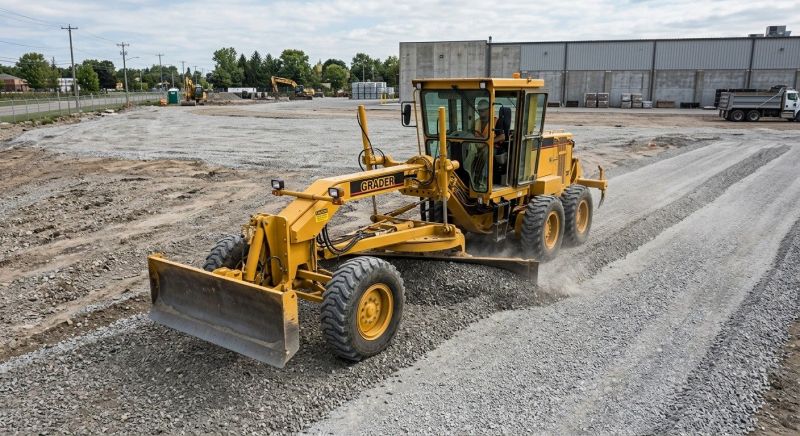
Gravel Parking Lot Grading in Houston, TX
Gravel parking lot grading services involve leveling and shaping the surface to ensure proper drainage, stability, and a smooth driving or parking experience. Homeowners often request this service when preparing a new gravel lot, improving an existing one, or addressing issues like uneven surfaces, ponding water, or erosion. The process typically includes removing debris, adjusting the slope, and compacting the gravel to create a durable, well-drained area suitable for parking vehicles and other outdoor uses.
Property owners usually want to understand the scope of grading work needed for their specific project, the importance of proper drainage, and how grading can extend the lifespan of a gravel lot. It’s helpful to consider the size of the area, the current condition of the surface, and any drainage concerns before requesting grading services. Clear communication about these details can help ensure the project meets expectations and results in a stable, functional parking area.
Many property owners in Houston, TX look into Gravel Parking Lot Grading for repairs, replacements, upgrades, and appearance-related improvements.
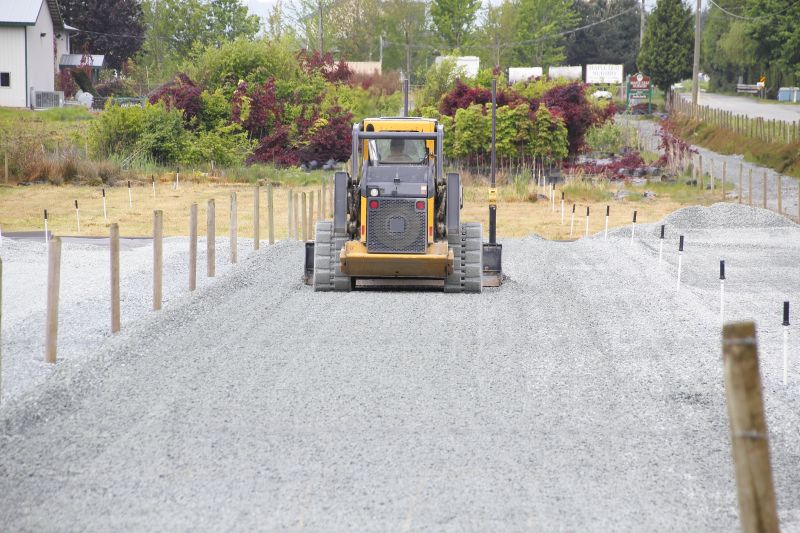
Proper Drainage Solutions
Gravel parking lot grading helps prevent water pooling and erosion around your property.
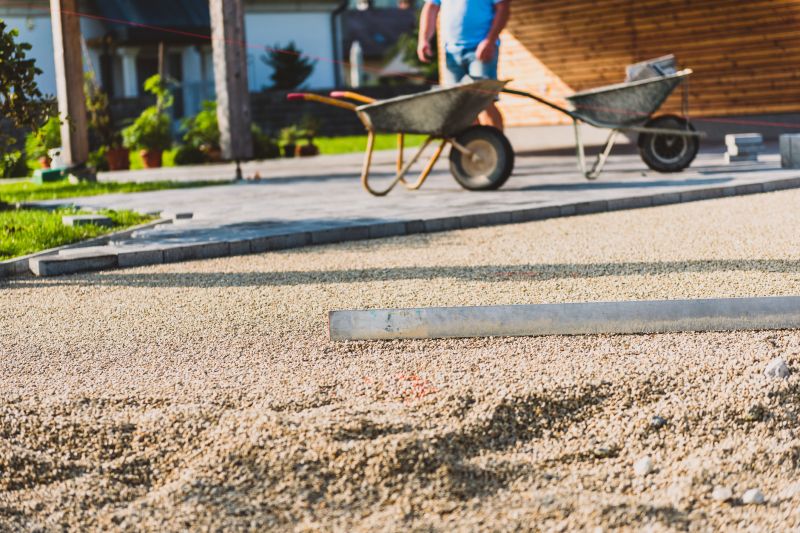
Enhancing Parking Accessibility
Effective grading creates a smooth, level surface for safer vehicle and foot traffic.
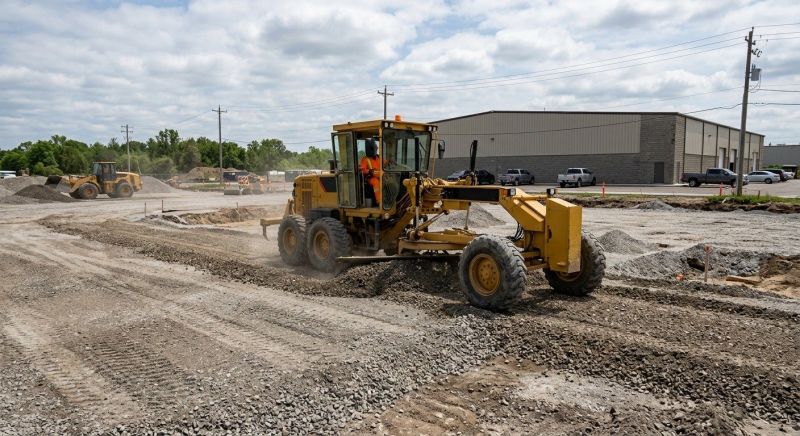
Property Value Improvement
Well-graded gravel lots contribute to a cleaner, more organized appearance for residential and commercial spaces in houston.
Gravel Parking Lot Grading in Houston, TX

Gravel parking lot grading services involve leveling and shaping the surface to ensure proper drainage, stability, and a smooth driving or parking experience. Homeowners often request this service when preparing a new gravel lot, improving an existing one, or addressing issues like uneven surfaces, ponding water, or erosion. The process typically includes removing debris, adjusting the slope, and compacting the gravel to create a durable, well-drained area suitable for parking vehicles and other outdoor uses.
Property owners usually want to understand the scope of grading work needed for their specific project, the importance of proper drainage, and how grading can extend the lifespan of a gravel lot. It’s helpful to consider the size of the area, the current condition of the surface, and any drainage concerns before requesting grading services. Clear communication about these details can help ensure the project meets expectations and results in a stable, functional parking area.
Many property owners in Houston, TX look into Gravel Parking Lot Grading for repairs, replacements, upgrades, and appearance-related improvements.
Common Gravel Parking Lot Grading Jobs
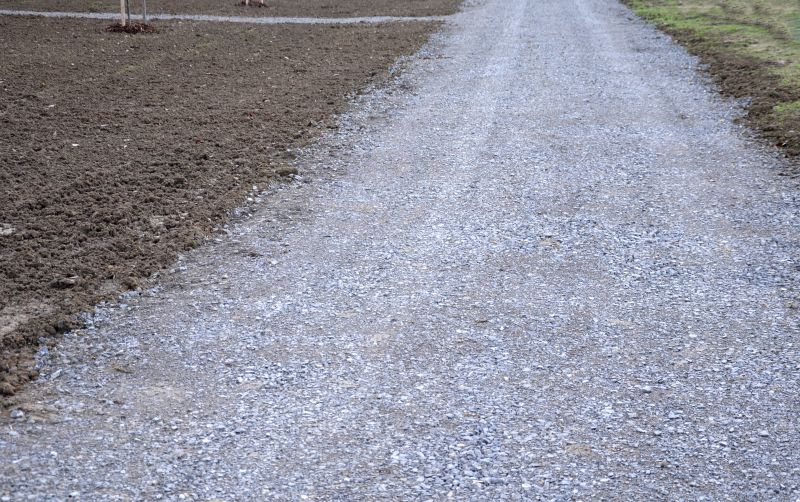
Gravel parking lot grading involves leveling and shaping gravel surfaces for optimal drainage and stability.
Driveway grading helps prevent water pooling and ensures smooth vehicle access.
Landscape grading improves yard drainage and reduces erosion around property features.
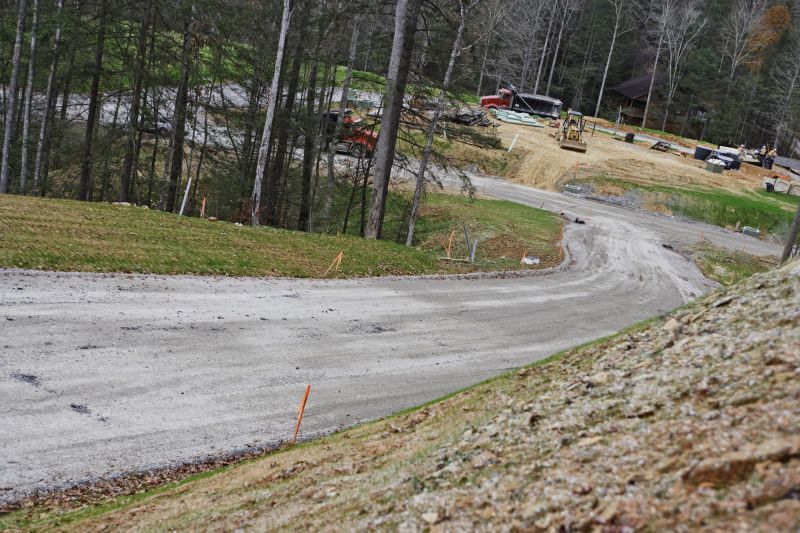
Construction site grading prepares land for building foundations and other infrastructure.
Erosion control grading stabilizes slopes and prevents soil loss on residential properties.
Stormwater management grading directs runoff away from structures to protect property integrity.
Gravel Parking Lot Grading Questions
What is gravel parking lot grading? It involves leveling and shaping a gravel surface to improve drainage and stability for parking areas.
Why is grading important for gravel lots? Proper grading prevents water pooling, reduces erosion, and extends the lifespan of the parking surface.
What projects typically require gravel parking lot grading? Driveway upgrades, commercial parking areas, and residential parking spaces often benefit from grading services.
How does gravel parking lot grading benefit property owners? It enhances safety, maintains a cleaner appearance, and minimizes maintenance issues over time.
Request Gravel Parking Lot Grading in Houston, TX
Use the quote form on this page to share the basics of your project and request more information for the type of work you need.